Introduction
facelift-surgery-before-and-after:-results-risks-and-recoveryDeciding to undergo a Facelift is a significant step toward reclaiming a youthful, refreshed appearance. While the aging process is natural, it often leads to sagging skin, deep creases, and a loss of definition in the jawline. A Facelift, medically known as a rhytidectomy, is the gold standard in plastic surgery for reversing these signs. This guide explores everything you need to know—from the first consultation to the final reveal—ensuring you have the professional insight required to make an informed decision.
The Modern Facelift Transformation
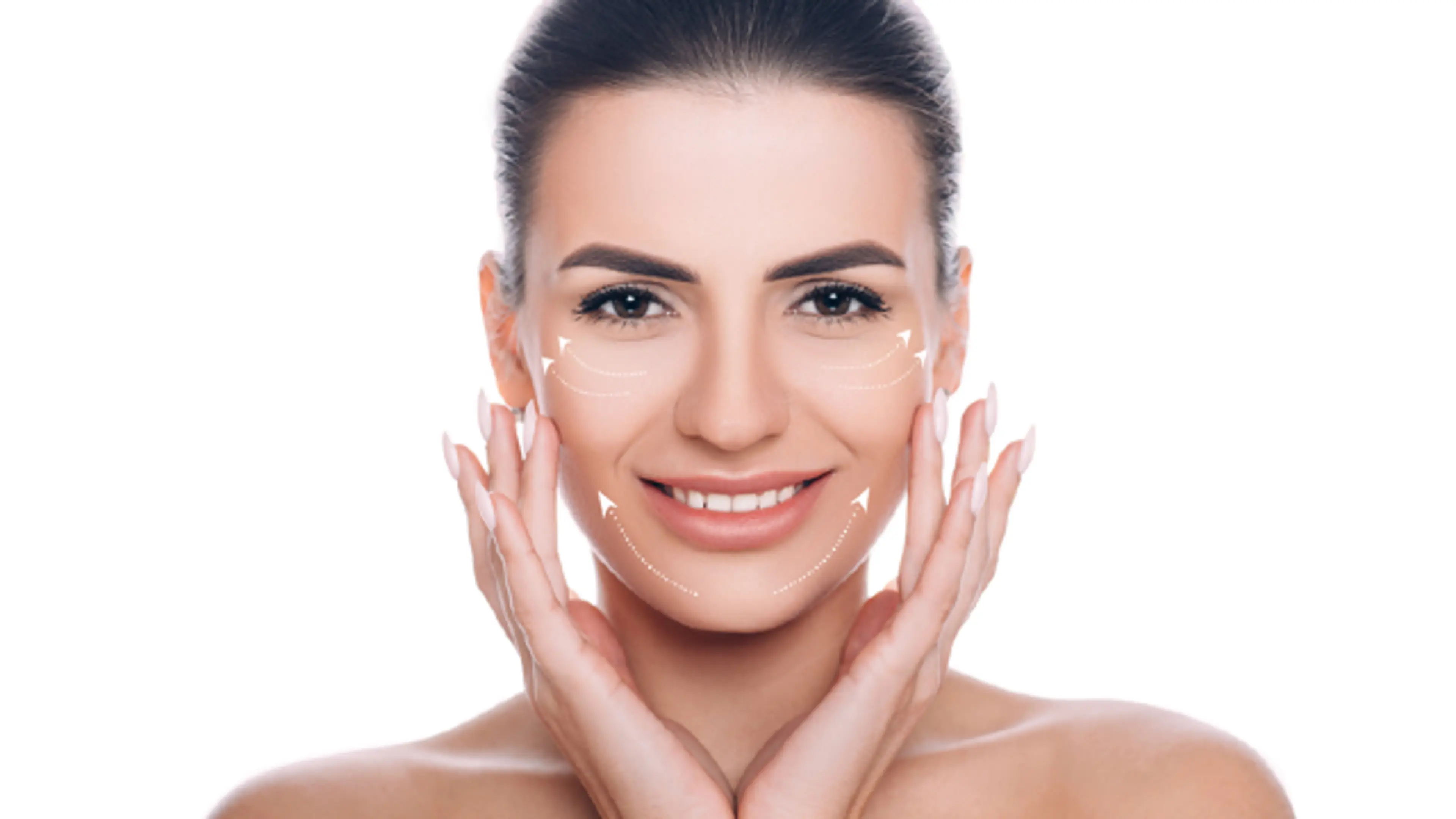
the-modern-facelift-transformationIn the past, many people feared the "wind-tunneled" look associated with facial surgery. Fortunately, modern techniques have evolved. Today’s surgeons focus on the underlying structures of the face rather than just pulling the skin tight. This results in a look that is rested and rejuvenated, not "operated on." Whether you are looking to sharpen your jawline or smooth out deep folds, the goal of a modern procedure is to help you look like a younger version of yourself.
Are You a Candidate? The "Before" Checklist
are-you-a-candidate-the-"before"-checklistNot everyone with a few wrinkles needs a surgical intervention. A
Facelift is most effective for those experiencing significant structural sagging. During your "before" phase, you should evaluate your facial concerns against common clinical indicators.
Is This Procedure Right for You?
is-this-procedure-right-for-youConcern | Description | Recommended Solution |
|---|
Jowls | Sagging skin along the jawline. | Lower Facelift |
Nasolabial Folds | Deep lines from the nose to the mouth. | Mid-face or Full Facelift |
Marionette Lines | Lines from the mouth down to the chin. | SMAS or Deep Plane Lift |
Turkey Neck | Loose skin and fat under the chin. | Neck Lift (often combined) |
Volume Loss | Hollow cheeks or sunken mid-face. | Facelift with Fat Grafting |
The "sweet spot" for this surgery is typically between the late 40s and early 60s. However, candidacy depends more on skin elasticity and overall health than a specific number on a calendar.
Understanding Facelift Techniques
understanding-facelift-techniques
There is no "one-size-fits-all" approach to facial rejuvenation. Your surgeon will select a technique based on your unique anatomy and goals.
1. SMAS Facelift
1.-smas-faceliftThe SMAS (Superficial Muscular Aponeurotic System) lift is a common and effective technique. The surgeon lifts and tightens the layer of muscle and tissue beneath the skin. This provides a long-lasting foundation for the skin to rest upon.
2. Deep Plane Facelift
2.-deep-plane-faceliftOften considered the "elite" choice, the deep plane technique goes beneath the SMAS layer. It allows the surgeon to reposition the entire facial structure as one unit. This creates the most natural-looking results and is excellent for correcting heavy jowls and mid-face sagging.
3. Mini-Facelift
3.-mini-faceliftFor patients with mild sagging, a mini version uses smaller incisions, usually hidden around the ears. While the recovery is faster, the results are less dramatic than a full procedure.
The Recovery Roadmap: A Day-by-Day Journey
the-recovery-roadmap:-a-day-by-day-journeyUnderstanding the recovery process is vital for managing expectations. Healing is a marathon, not a sprint.
Days 1–2: This is the "tightness" phase. You will wear a compression bandage and may have small drainage tubes to prevent fluid buildup. Significant rest is required.
Days 3–7: Swelling usually peaks during this window. Most sutures are removed by the end of the first week. You may feel "socially awkward" due to bruising, but pain is generally manageable with mild medication.
Weeks 2–3: The "Social Readiness" phase. Most bruising has faded enough to be covered with light makeup. You can typically return to a desk job and light daily activities.
Month 3 & Beyond: The "Wow" factor. By this point, 90% of the swelling has subsided. The surgical scars begin to fade from pink to white, becoming nearly invisible within the natural contours of the ear.
Risks and Safety: What Every Patient Must Know
risks-and-safety:-what-every-patient-must-knowWhile a Facelift is a safe and routine procedure for board-certified surgeons, all surgery carries some risk. Transparency is the key to a safe experience.
Hematoma: This is a collection of blood under the skin. It is the most common complication and is usually treated with a minor follow-up procedure to drain the fluid.
Numbness: Temporary loss of sensation around the ears and cheeks is normal and usually resolves within a few months.
Scarring: While incisions are hidden in the hairline, some patients may experience thicker scars depending on their skin type.
Nerve Injury: Though extremely rare, temporary weakness in facial muscles can occur. Choosing an experienced surgeon reduces this risk significantly.
Global Cost Comparison: Why South Korea is the Best Choice
global-cost-comparison:-why-south-korea-is-the-best-choice
When researching the financial aspect of facial surgery, the price gap between Western countries and Asia is significant. South Korea has emerged as the global leader in plastic surgery for two reasons: volume and innovation.
Because
South Korean surgeons perform more facelifts per capita than anywhere else in the world, they have refined "no-scar" and "quick-recovery" techniques to a science. Furthermore, the high level of competition ensures that patients receive premium, all-inclusive care at a fraction of the cost found in the US or UK.
Average Facelift Cost Comparison Table
average-facelift-cost-comparison-tableCountry | Estimated Price Range (USD) | Why Choose This Destination? |
|---|
South Korea | $4,000 – $8,500 | Cheapest & Best: Exceptional surgical expertise, advanced technology, and full post-op care. |
Thailand | $5,000 – $9,000 | Quality hospitals with a focus on medical tourism. |
Turkey | $4,500 – $7,500 | Affordable for European patients; good for combined packages. |
United Kingdom | $10,000 – $18,000 | Very high costs and often long waits for private care. |
USA | $12,000 – $25,000 | Most expensive; prices often exclude anesthesia and facility fees. |
In South Korea, many clinics offer "concierge" services, including airport pickups, luxury recovery hotels, and daily de-swelling laser treatments, which are included in the base price.
How to Choose Your Surgeon: Essential Questions
how-to-choose-your-surgeon:-essential-questionsYour results are only as good as the hands performing the surgery. Do not settle for the cheapest option without verifying credentials. Ask these three questions:
"Do you specialize in the Deep Plane or SMAS technique?" (Expertise in deep tissue leads to better results).
"Can I see 'long-term' after photos?" (Look for photos taken at least one year after surgery to see how the results age).
"What is your protocol for post-operative emergencies?" (A trustworthy surgeon has a clear plan for your safety).
FAQ: Frequently Asked Questions
faq:-frequently-asked-questions1. Does A Facelift Leave Visible Scars?
1.-does-a-facelift-leave-visible-scarsIncisions are strategically placed within the natural folds of the ear and inside the hairline. While a scar exists, it is designed to be invisible to the naked eye once fully healed.
2. Will I Look Like A Different Person?
2.-will-i-look-like-a-different-personNo. A successful Facelift does not change your features; it restores them. You will look like a refreshed, younger version of yourself—as if you have just returned from a long, relaxing vacation.
3. How Long Do The Results Last?
3.-how-long-do-the-results-lastWhile the surgery cannot stop the clock, it effectively "turns it back" by 10 to 15 years. You will continue to age naturally, but you will always look younger than if you had never had the procedure.
4. Is The Surgery Painful?
4.-is-the-surgery-painfulMost patients are surprised to find that it is more "uncomfortable" than painful. A feeling of tightness and fullness is common, but sharp pain is rare and easily managed with prescribed medication.
5. When Can I Go Back To Work?
5.-when-can-i-go-back-to-workMost patients return to work within 10 to 14 days. If your job is physically demanding, you may need to wait three to four weeks before returning to full activity.
Conclusion: Investing in Your Confidence
conclusion:-investing-in-your-confidenceA Facelift is more than a physical change; it is an investment in your self-esteem and how you present yourself to the world. By understanding the techniques, managing your recovery, and choosing a world-class destination like South Korea for your treatment, you can achieve life-changing results safely and affordably.
Take the first step toward your rejuvenation. You can
Schedule the consultation today by filling out our online enquiry form, and one of our patient coordinators will guide you through the next steps of your journey.